Blog for: Business
Build a Smarter Training Plan
Replacing live training with video is not an all-or-nothing decision. As Pennsylvania teams prepare for fourth-quarter goals, seasonal hiring, compliance refreshers, and upcoming planning, the bigger question is how to share knowledge without overloading managers and internal experts.
We often recommend looking at the full training experience, not just the delivery method. Video can reduce repeat presentations, keep key messages consistent, and let employees learn around shifts, travel, and client work. Still, some lessons need real-time questions, coaching, and hands-on practice. The strongest approach usually combines both.
Identify Training That Video Can Improve
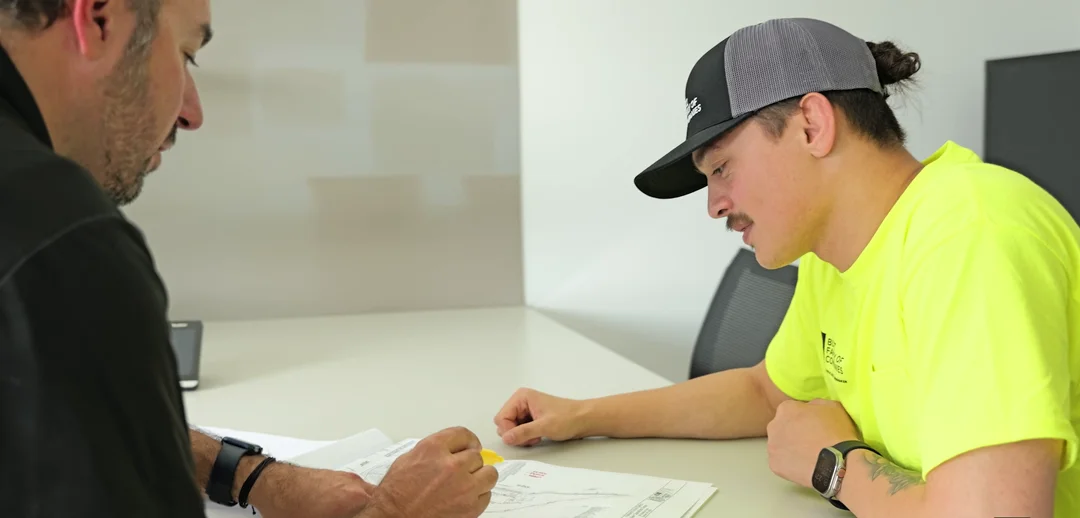
Training video production in Pennsylvania works especially well when the lesson is repeatable and the message needs to stay the same for every learner. If an employee needs to understand a process, follow a standard, or complete a familiar task, video can provide a clear starting point.
Common topics that work well on video include:
New employee onboarding and workplace introductions
Workplace safety basics and compliance reminders
Software walkthroughs and screen-based processes
Product knowledge and customer service expectations
Company culture, policies, and brand standards
A live session may be losing value when managers repeat the same slide deck for every new hire or when different departments explain an important policy in different ways. Scheduling can also become a problem when employees work different shifts, travel often, or need training before they can begin a role.
With video, your team can receive the same approved message each time. Employees can pause, replay, and revisit the material when they need a refresher. That does not mean every topic belongs in a long recording. In fact, shorter modules are often easier to watch, remember, and update.
Change is another factor to consider. Stable processes can stay useful for a long time, making them a strong fit for video. Policies, pricing, and software systems that change often need a more flexible plan. We suggest creating separate modules for separate topics, so one update does not require rebuilding the entire training library.
Protect Human Practice and Real-Time Coaching
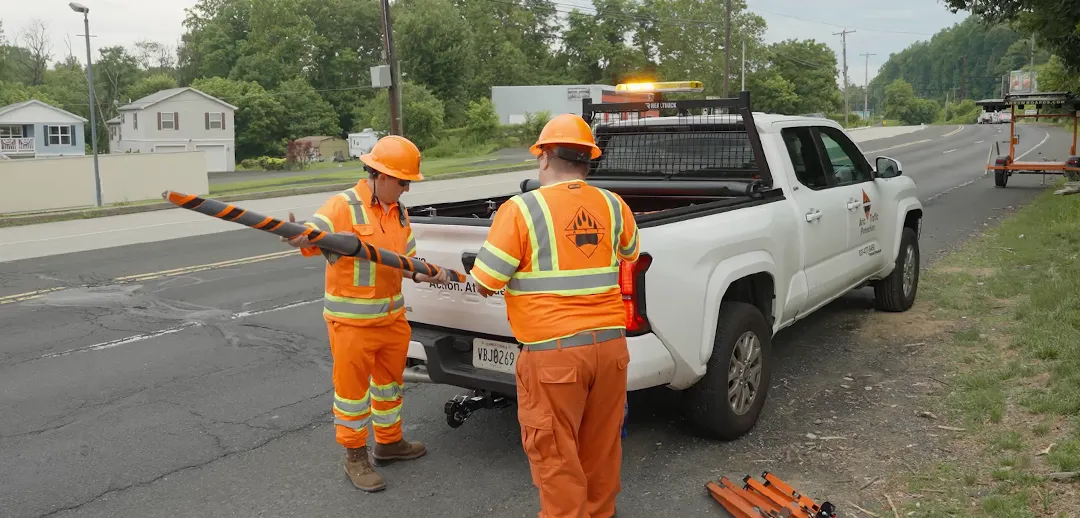
Some training should remain live because it depends on observation and feedback. A video can explain what good performance looks like, but it cannot always spot a mistake, answer a sensitive question, or guide someone through a difficult conversation in the moment.
Live instruction is especially helpful for topics such as leadership development, complex sales conversations, emergency drills, patient care, equipment operation, and conflict resolution. In these situations, employees may need to practice with an instructor, receive corrections, and work through real-world judgment calls.
Rather than removing live sessions, we can use video to make those sessions more useful. Employees can watch core material before a workshop, then arrive ready to practice. That gives facilitators more time for role play, group discussion, coaching, and problem-solving instead of repeating basic information.
A blended setup can look like this:
Watch a short video before the session
Complete a quick knowledge check or reflection
Attend a live workshop focused on practice
Receive feedback from a manager or facilitator
Revisit the video later as an on-demand reference
Human connection matters, too. Live training can build relationships between departments, encourage accountability, and bring concerns to the surface. Some employees may not raise a question during self-guided learning but will speak up in a room with a trusted instructor. We recommend using video for knowledge transfer and protecting live time for collaboration, decisions, and practice.
Planning for Training Video Production in Pennsylvania
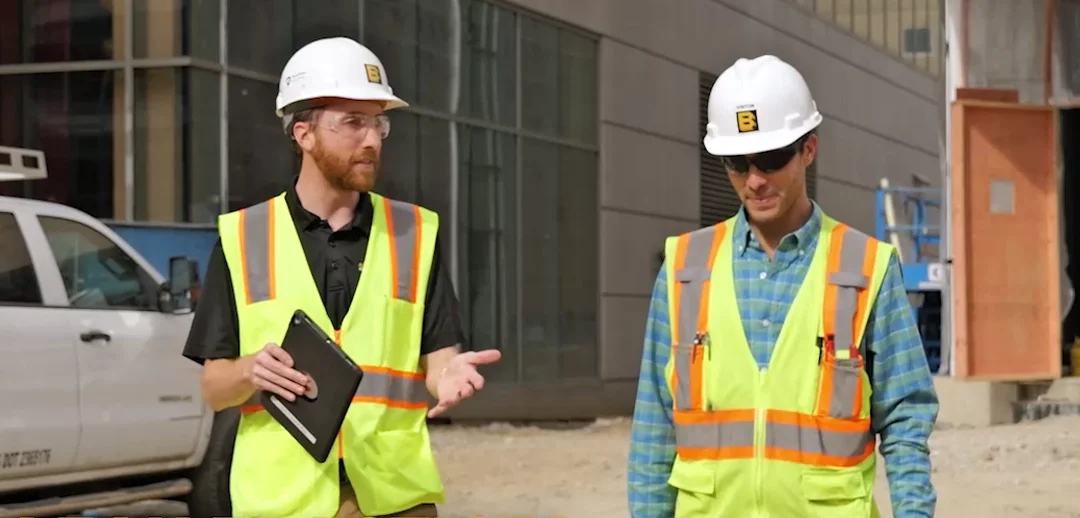
Before filming, start with a training audit. We help organizations identify which lessons are repeated most often, who needs to learn them, and what employees should be able to do after completing the training. This keeps the focus on useful actions instead of trying to fit every detail into one oversized video.
It also helps to ask where inconsistent training creates risk. Maybe a new employee receives different onboarding information depending on who is available. Maybe customer-facing teams need clearer guidance on a service process. Maybe managers spend too much time explaining the same software steps. Those are the kinds of gaps that can make video worthwhile.
Professional training video production in Pennsylvania can bring structure and clarity to the process. Our team can help shape a script, interview internal experts, capture demonstrations, record screen walkthroughs, and create motion graphics that make complex information easier to follow. Thoughtful production also shows employees that the training matters.
Instead of creating one large video, consider building a flexible library of short pieces. Modules can be organized by role, department, topic, or stage of employment. Useful supporting materials may include captions, transcripts, downloadable references, and versions tailored to different audiences or locations. Publishing the right modules before year's-end can also support Q1/Q2 onboarding and annual training needs without creating a last-minute rush.
Measure Impact and Build a System That Scales
A pilot program is a smart place to begin. Rather than replacing every live session at once, we suggest testing a blended format with one department, one employee group, or one training topic. Compare completion rates, assessment results, time spent training, manager feedback, and employee confidence before and after video is added.
The best training video production in Pennsylvania connects to a real business goal, not just the convenience. Depending on the training topic, you may look for fewer safety issues, faster onboarding, fewer support requests, more consistent processes, stronger customer interactions, or better employee retention. Learner feedback matters as well. Ask whether the video was clear, relevant to daily work, easy to access, and helpful as a reference.
As you review your fall training calendar, look for the sessions that happen most often or create the biggest scheduling problems. Video can carry consistent core knowledge, while live instruction remains focused on the work people learn best by doing together.
Build Training Videos That Support Your Team
Tyler Wursta Video can help you create a practical video library that fits your training priorities and workflow. See how our training video production in Pennsylvania packages can turn repeatable lessons into clear, reliable resources. When you are ready to discuss your goals, contact us for a conversation about your next project.
