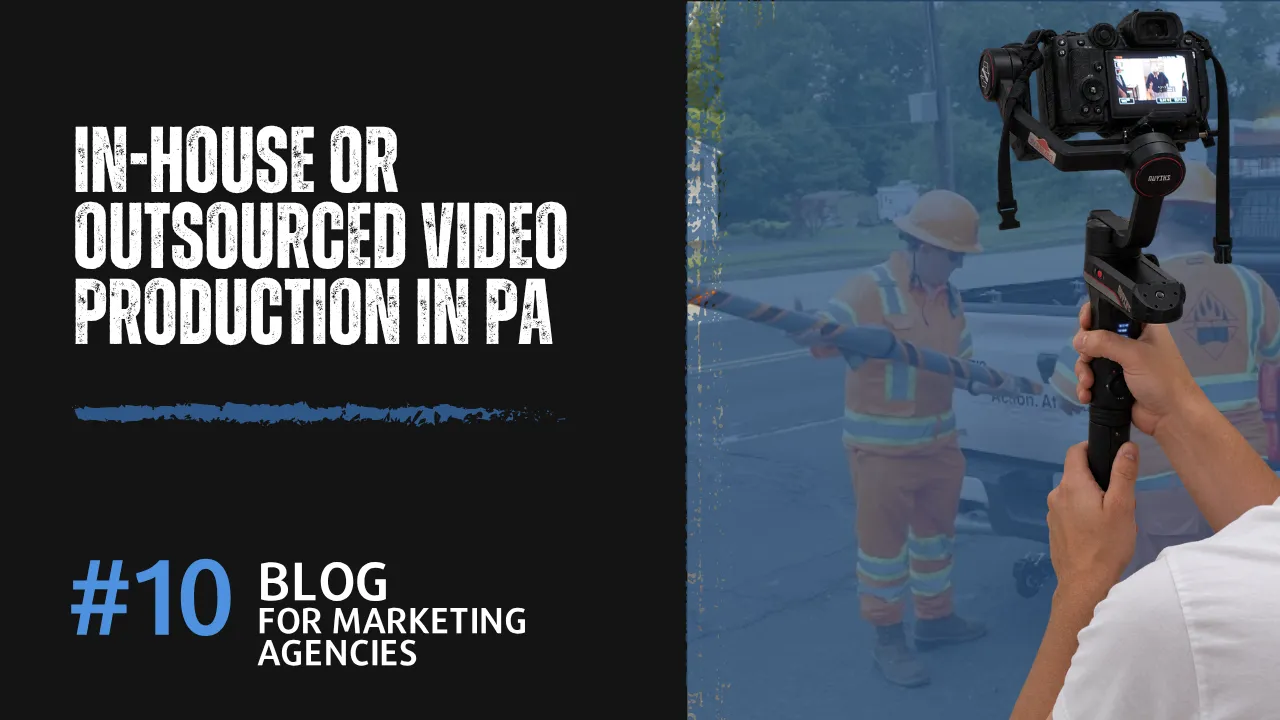
Blog for: Marketing Agencies
Video demand can rise quickly as Pennsylvania agencies move into fall campaign planning. Clients may be finalizing year-end budgets, preparing seasonal promotions, or setting the creative direction for the months ahead. That can leave you with a big question: should production stay in-house, move to an outside partner, or use a mix of both?
At Tyler Wursta Video, we work with agencies that need to protect their creative standards without creating production bottlenecks. The right model for video production for agencies in PA depends on your campaign volume, the type of work you take on, your turnaround needs, and how much flexibility your team needs when client demand changes.
Look Beyond Salaries When Planning Production Capacity
An in-house video team can give you day-to-day access to production support, but the commitment goes far beyond hiring a videographer or editor. To keep work moving, you also need the tools, systems, and time required to support that team.
Production needs can include:
Camera, lighting, audio, and support gear
Editing software, storage, and file management
Equipment repairs, insurance, and regular upgrades
Training for new formats, platforms, and production methods
Time for planning, shooting, editing, revisions, and delivery
We often encourage agencies to consider how consistently their production team will be used. When video work is steady, an in-house team may be a practical fit for routine content. When projects arrive in waves, fixed internal resources can be harder to manage. Slow periods still require attention, while busy periods may lead to rushed edits, overtime, or projects your team cannot comfortably take on.
An outside production partner changes that structure. Instead of building every capability internally, you can bring in the right level of help for each campaign. That can make it easier to plan production needs around the work already sold, rather than carrying specialized resources for projects that only come up once in a while.
Match Creative Skills to the Work in Front of You
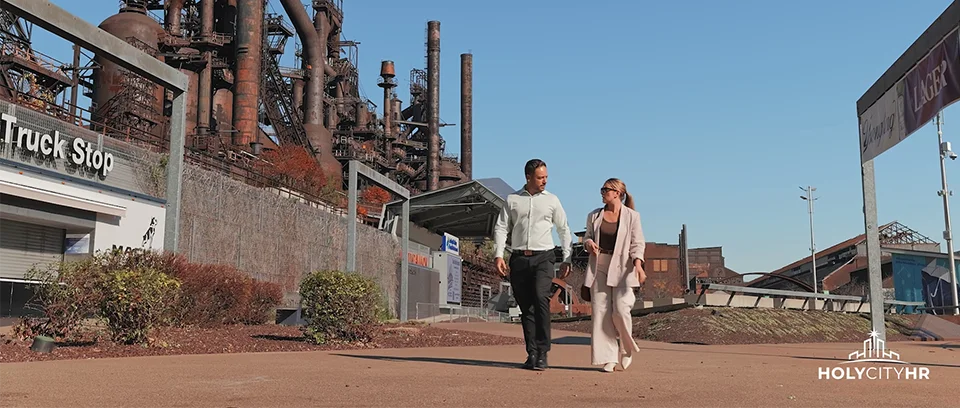
Not every campaign needs the same kind of video. A quick social clip, for example, has very different demands than a polished commercial launch or a multi-location brand story. The strongest choice is usually the one that matches your available creative capacity to the campaign’s actual scope.
Agency work can call for a broad range of production skills, including:
Product and commercial videos
Customer stories and testimonial interviews
Recruiting and culture content
Motion graphics and social media cutdowns
Drone footage, location shoots, and larger crews
An internal team may handle repeatable, fast-turn content well, especially when it follows an established template. Yet a major campaign may require more crew members, extra equipment, location planning, advanced lighting, or a fresh creative approach. We can step into those larger assignments without forcing your agency to stretch a small internal team beyond its comfort zone.
Outside production also brings a useful second set of eyes. When your team has lived with a client’s brand for years, familiar ideas can start to feel safe. We can bring visual references, production experience, and new story angles while still following the strategy, messaging, and brand standards your agency has built.
Keep Your Agency at the Center of the Client Relationship
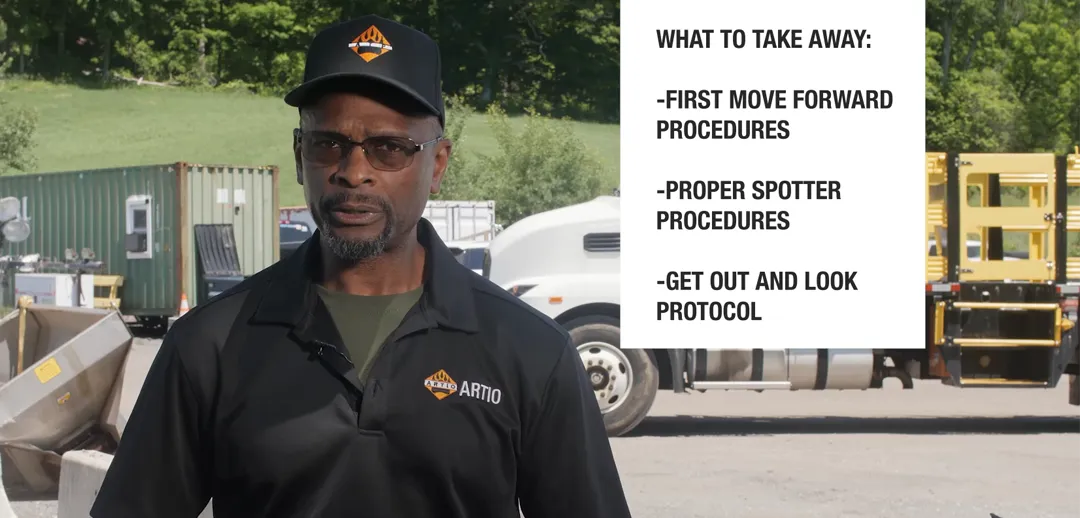
One concern we hear about outsourcing is client control. Agencies work hard to earn trust, understand a client’s goals, and guide the larger marketing plan. Production support should strengthen that relationship, not compete with it.
The right partner works as an extension of your team. We can support your plan behind the scenes while you remain the client’s main strategic contact and creative lead. That structure works best when roles are clear before anyone gets to a shoot day or opens an edit.
Before production begins, we recommend agreeing on who owns:
Creative direction and message development
Scripts, shot lists, and production planning
Client communication and feedback gathering
Review rounds, delivery dates, and final approvals
Clear approval steps prevent small questions from becoming delays. They also help everyone understand what “finished” means before post-production begins. If a client needs several formats for social, paid media, a website, or internal use, those deliverables should be part of the plan from the start.
Good video should do more than look polished. We focus on the marketing purpose behind each piece, including the audience, the intended platform, the call to action, and the role video plays in the larger campaign. That keeps production decisions tied to outcomes instead of personal preference alone.
Plan Early for Q4 Without Creating Bottlenecks
September is often a useful time to look ahead because Q4 can bring a packed production calendar. Agencies may be preparing holiday promotions, fundraising campaigns, retail messaging, recruiting efforts, annual recap videos, or early creative for the next year.
Waiting too long can make production harder than it needs to be. Crew schedules, shoot locations, client calendars, and post-production time all need room to breathe. When a project starts late, teams may have fewer options and less time to make thoughtful creative choices.
Early planning gives you time to define the campaign before deadlines become urgent. We recommend settling the core message, audience, deliverables, approval path, and distribution plan first. With that foundation in place, production can move with purpose instead of becoming a last-minute scramble.
For many agencies, a hybrid model is the most practical answer. Your internal team can manage quick social content, simple updates, and everyday needs. An experienced commercial production partner can support larger launches, more involved storytelling, and projects that require added production scale.
Build a Video Model That Supports Growth
There is no single right answer to the in-house versus outsourced question. We suggest looking honestly at your workload, client mix, turnaround expectations, production standards, and plans for growth. A model that works for a small number of repeatable projects may not work once your agency begins taking on more ambitious campaigns.
The most useful setup is one that gives you dependable capacity without limiting creative options. Having a video production partner on hand for overflow work is an example. Whether you keep production internal, outsource key projects, or combine both approaches, define the process before demand peaks. That makes it easier to protect your team’s time, keep client work organized, and deliver video that supports the strategy behind the campaign.
Flexible Video Support for Your Agency
Tyler Wursta Video provides access to video production for agencies in PA with packages built around campaign goals, timelines, and creative needs. Our team can support everything from single deliverables to ongoing content needs. Contact us to discuss the right production package for your next client project.
